
The Holographic Era is Within Reach: Unveiling the Visual Revolution of LED Transparent Displays
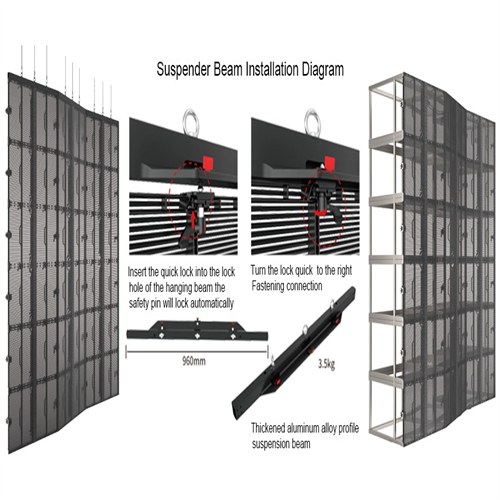
Transparent Screen: An Elegant Fusion of Reality and Virtuality
LED transparent screen, as the name suggests, is a type of screen that can display content while maintaining transparency. Its revolutionary nature lies in:
Core technical principles:
Specially designed LED light strips with larger spacing than traditional screens
Using high transmittance materials as substrates
Leave a large amount of transparent area between pixels (with a transmittance of up to 60% -85%)
Stunning application scenarios:
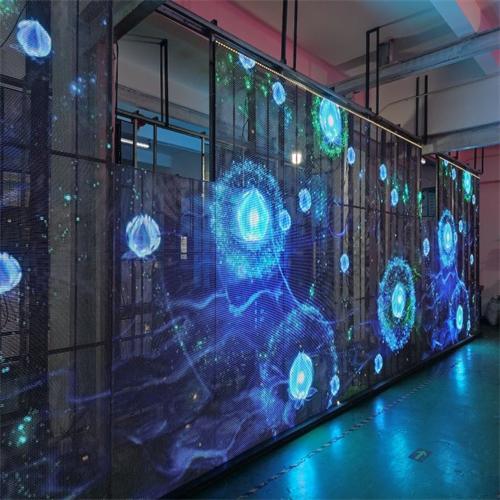
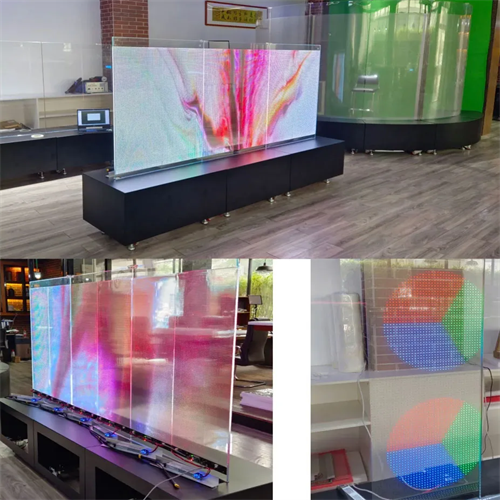
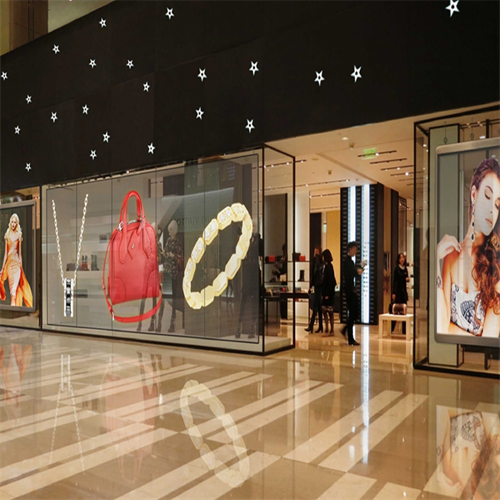
Retail Showcase: It is made of ordinary glass during the day and transforms into an advertising screen at night
Museum Exhibition: Perfect Combination of Physical Cultural Relics and Digital Explanations
Building curtain wall: displaying dynamic information without affecting lighting
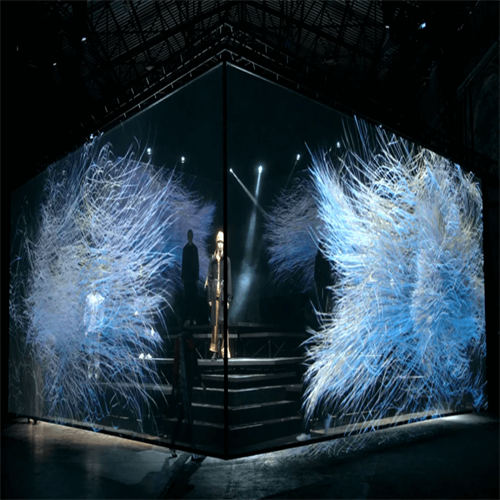
Stage performance: Creating a visual effect of 'floating' in the air
 |
 |
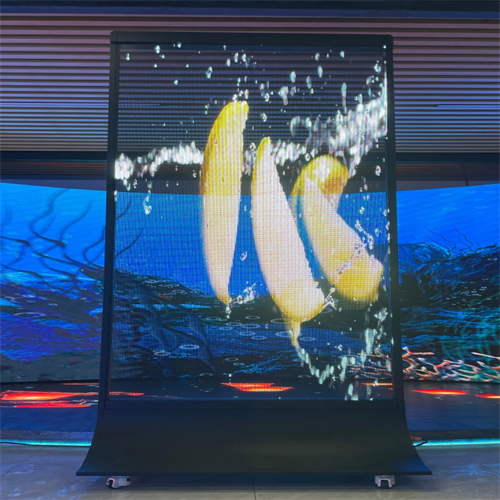
| Holographic display: not just a revolution in screens As transparent screen technology continues to develop, we have ushered in even more stunning holographic displays. There are currently two main implementation methods: 1. Air projection technology Using laser ionization in air to form luminescent 'pixels' Truly achieving 'airborne imaging' without the need for media High technological threshold, still in the development stage 2. Holographic transparent screen (pseudo holographic) Combining transparent screen and 45 degree angle reflection principle Create a three-dimensional suspension effect visible to the naked eye The most widely used form of commercial application currently |
 |
Industry application cases
Retail Innovation: A luxury brand flagship store uses transparent display windows to showcase products during the day and becomes an immersive brand storyteller at night, resulting in a 40% increase in sales.
Wenbo Huanxin: The Sanxingdui Museum uses a circular transparent screen to display cultural relics, presenting physical objects and 3D restoration models on the same stage, increasing visitors' understanding by 70%.
Stage Revolution: In the 2024 New Year's Eve Gala of a certain TV station, the singer seemed to be singing in a floating galaxy, and the reading volume of Weibo related topics exceeded 1 billion.
 |
 |
Future outlook: When will we usher in the true holographic era?
The current transparent screen technology is quite mature, but true air holographic display still faces challenges:
Resolution and brightness need to be further improved
Costs need to be reduced to an acceptable range for the mass market
The content creation ecosystem urgently needs to be improved
Experts predict that by 2028, holographic display technology will achieve breakthrough applications in remote conferencing, medical diagnosis, and education. At that time, "face-to-face" communication will have a completely new definition.
Leave your comment
Note: HTML is not translated!